Optimize Your Practice with
Medical Billing Audit
You work hard to provide quality care to your patients — but are you truly getting paid what you deserve? Errors in medical billing can lead to lost revenue, denied claims, and even compliance risks. That’s why a medical billing audit from a trusted medical coding audit company is essential.
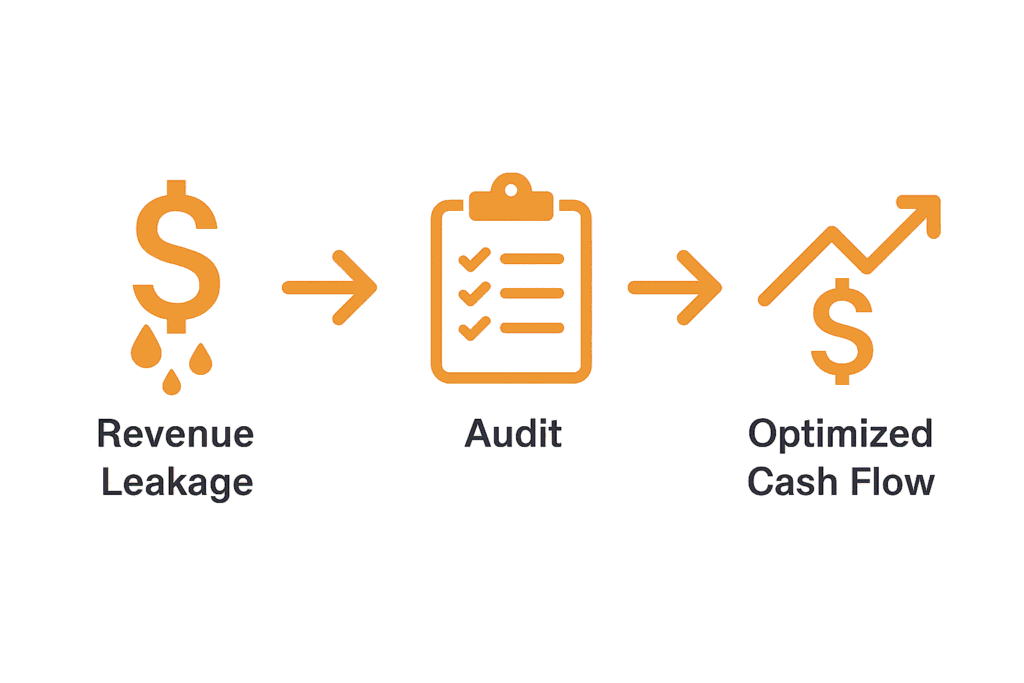
At Utreati Medical Billing , we provide comprehensive healthcare coding and compliance audit services for practices, clinics, and hospitals. Our experienced billing consultants review your billing codes for accuracy, compliance, and optimization, ensuring that every claim is properly documented and submitted. With real‑time issue resolution, we help you eliminate revenue leakage and strengthen your financial performance.

Why Your Practice Needs an Audit
Detect improper coding and incomplete documentation
Identify missed charges and unbilled services
Ensure compliance with payer and reimbursement guidelines
Strengthen Revenue Cycle Management (RCM)
Reduce denied claims and avoid costly penalties
Our Medical Billing Audit Process
01
Initial Assessment – Review of patient charts, claims, and fee schedules
02
Coding Accuracy Check – Ensure ICD‑10 and CPT codes match documentation.
04
Compliance Review – Verify adherence to payer policies and HIPAA standards
03
Revenue Optimization – Identify missed billing opportunities
05
Real‑Time Reporting – Provide actionable insights with clear dashboards
Ready to Stop Medical Billing Revenue Leakage?
Don’t let billing errors put your practice at risk. Partner with UtreatiBill and ensure compliance, accuracy, and maximum reimbursement.
We Guarantee Improved Medical Billing Efficiency, Effectiveness & Compliance
How UtreatiBill Medical Billing Audit Helps You
A medical billing audit can help healthcare providers in two different ways. It can:
- Ensure the company’s billing is in compliance with its legal and contractual obligations and, if it is not, reveal the deficiencies before someone else does so they can be fixed before liabilities accrue, and
- Uncover any inefficiencies in the billing process that are leaving money on the table or are costing the company extra.
The auditing professionals at Fortis Medical Billing have extensive experience conducting billing audits in the healthcare sector for a wide variety of providers.
Contact For a Free Audit
Medical Billing Audit Services: Ensure Compliance, Accuracy, and Revenue Protection
A medical billing audit is a detailed review of a healthcare provider’s billing processes to ensure claims are accurate, compliant, and defensible. Since the billing cycle begins at patient intake, even minor documentation or coding errors can result in claim denials, payer audits, financial penalties, or allegations of healthcare fraud.
Proactive medical billing audits help healthcare organizations reduce risk, improve reimbursement accuracy, and maintain regulatory compliance.
What Is a Medical Billing Audit?
A medical billing audit evaluates whether billing practices align with federal regulations, payer guidelines, and internal policies. The audit verifies that services billed are medically necessary, properly documented, and accurately coded.
Medical billing audits may be conducted internally or by third-party auditors to identify compliance gaps, billing errors, and revenue leakage.
What Does a Medical Billing Audit Include?
A comprehensive medical billing audit typically reviews:
Patient intake documentation to confirm medical necessity
Medical records and patient charts for accuracy and completeness
Billing and coding practices for CPT, ICD-10, and HCPCS compliance
Claims submission accuracy compared to services rendered
Record retention and documentation standards
Medical billing staff training and workflow efficiency
These reviews help ensure claims can withstand payer scrutiny and regulatory review.
How Medical Billing Audits Reduce Compliance Risk
The primary goal of a medical billing audit is risk mitigation. Audits help prevent:
Upcoding and incorrect code selection
Unbundling of bundled services
Duplicate or double billing
Billing for services not provided
Claims for medically unnecessary procedures
Identifying and correcting these issues early helps avoid audits, penalties, and legal exposure.
The Financial Impact of Billing Errors
Billing inaccuracies can lead to delayed reimbursements, repayment demands, increased payer oversight, and loss of payer contracts. In severe cases, insurers may initiate fraud investigations or remove providers from their networks.
A medical billing audit protects healthcare organizations from revenue loss, operational disruption, and reputational damage.
Identifying Revenue Leakage Through Billing Audits
In addition to compliance, medical billing audits often uncover hidden revenue opportunities, including:
Unbilled or underbilled services
Unpaid or partially paid claims
Inefficient billing workflows that slow cash flow
Correcting these inefficiencies can significantly improve financial performance.
Why Medical Billing Audits Are Essential for Healthcare Providers
Regular medical billing audits ensure regulatory compliance, maximize reimbursement, and protect against financial and legal risk. For healthcare providers, audits are not just a compliance tool—they are a strategic investment in long-term operational stability.

Frequently Asked Questions
Why does my practice need a billing audit?
Billing audits protect your practice from compliance risks, revenue leakage, and allegations of healthcare fraud. They also improve cash flow by ensuring claims are coded correctly, submitted accurately, and reimbursed promptly.
How often should medical billing audits be performed?
Industry best practices recommend conducting audits at least annually, or more frequently if your practice experiences high claim denials, rapid growth, or changes in payer requirements. Regular audits help maintain compliance and optimize revenue cycle management.
What issues can a billing audit uncover?
Audits can reveal improper coding (upcoding, unbundling), incomplete documentation, duplicate billing, phantom charges, and uncollected payments. They also highlight workflow inefficiencies that silently reduce net patient revenue.
How does UtreatiBill Medical Billing conduct audits?
At UtreatiBill, our certified billing auditors review patient charts, claims, and coding practices for accuracy and compliance. We provide real‑time reporting, identify missed revenue opportunities, and deliver actionable recommendations to strengthen your revenue cycle and ensure medical billing compliance.
Will a billing audit disrupt my daily operations?
No. Our auditors work seamlessly with your existing processes. Reviews are conducted in the background, and findings are shared through clear reports and recommendations without interrupting patient care.
How much revenue can a billing audit recover?
While results vary by practice size and specialty, audits often uncover thousands of dollars in missed or underbilled services each year. Even small corrections can significantly improve net patient revenue.
Is a medical billing audit required by law?
While not always legally mandated, But many payers and compliance programs recommend regular audits. Proactive audits Eliminate the risk of penalties, payer disputes, and allegations of healthcare fraud.