Healthcare organizations across the United States continue facing increasing administrative pressure, staffing shortages, rising operational costs, and growing patient expectations. Managing front-desk operations, insurance verification, scheduling, medical documentation, and patient communication can quickly overwhelm in-house staff members.
This is why the Benefits of Virtual Medical Assistants have become one of the fastest-growing topics in healthcare administration and revenue cycle management.
Today, clinics, hospitals, private practices, and specialty healthcare organizations are increasingly using virtual medical assistant services to improve operational efficiency, reduce overhead costs, and streamline patient workflows.
A skilled healthcare virtual assistant can support healthcare providers remotely by handling administrative tasks, appointment scheduling, insurance coordination, medical billing support, patient follow-ups, and front-office communication.
At UtreatiBill Virtual Medical Assistance Services, healthcare providers can explore customized virtual support solutions designed to improve workflow efficiency and reduce administrative burden.
According to American Hospital Association (AHA), healthcare organizations continue investing in operational efficiency and workforce optimization technologies to improve patient care and financial performance.
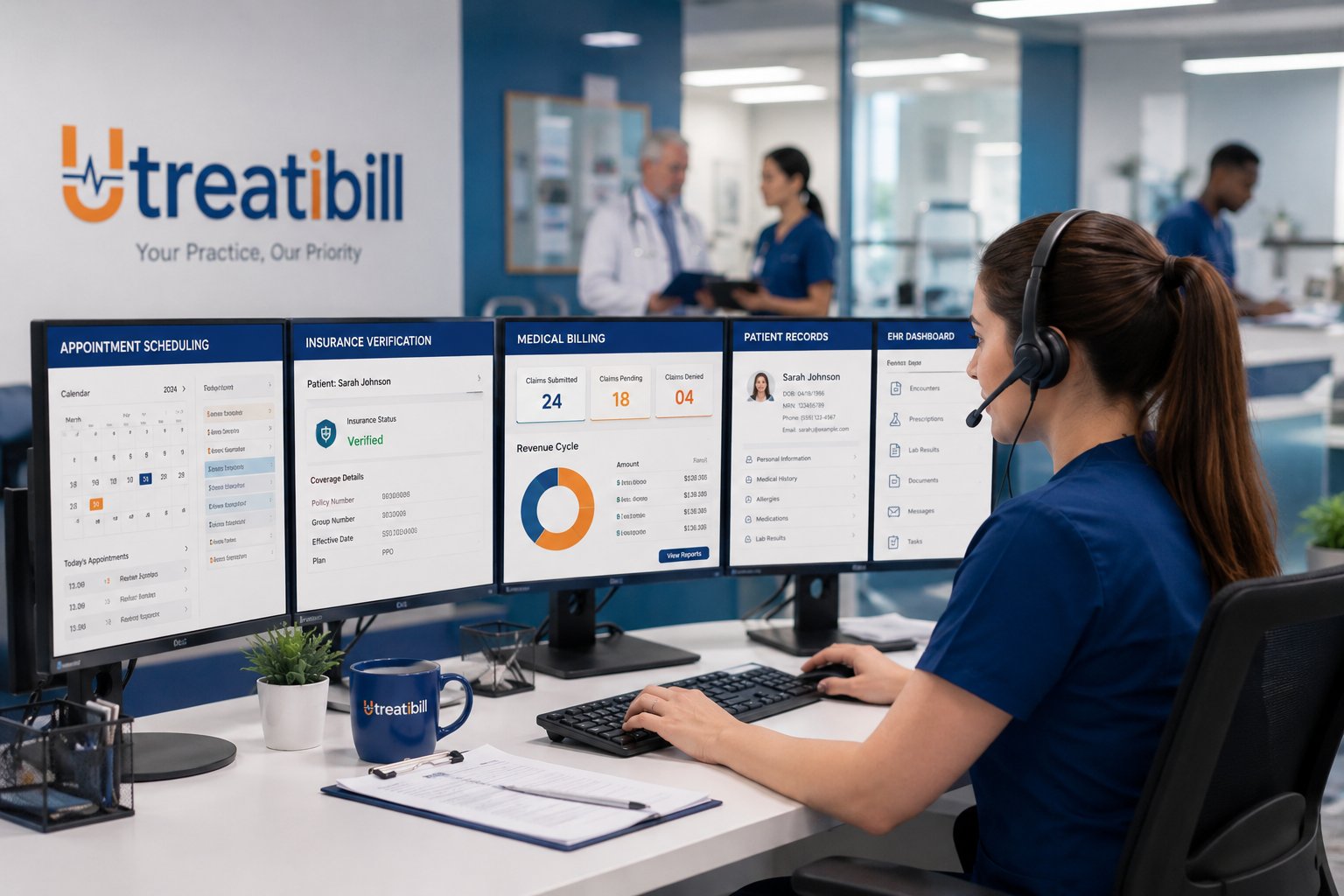
Benefits of Virtual Medical Assistants in Healthcare Administration
The growing demand for telehealth services, digital healthcare systems, and remote patient management has made virtual support services more important than ever.
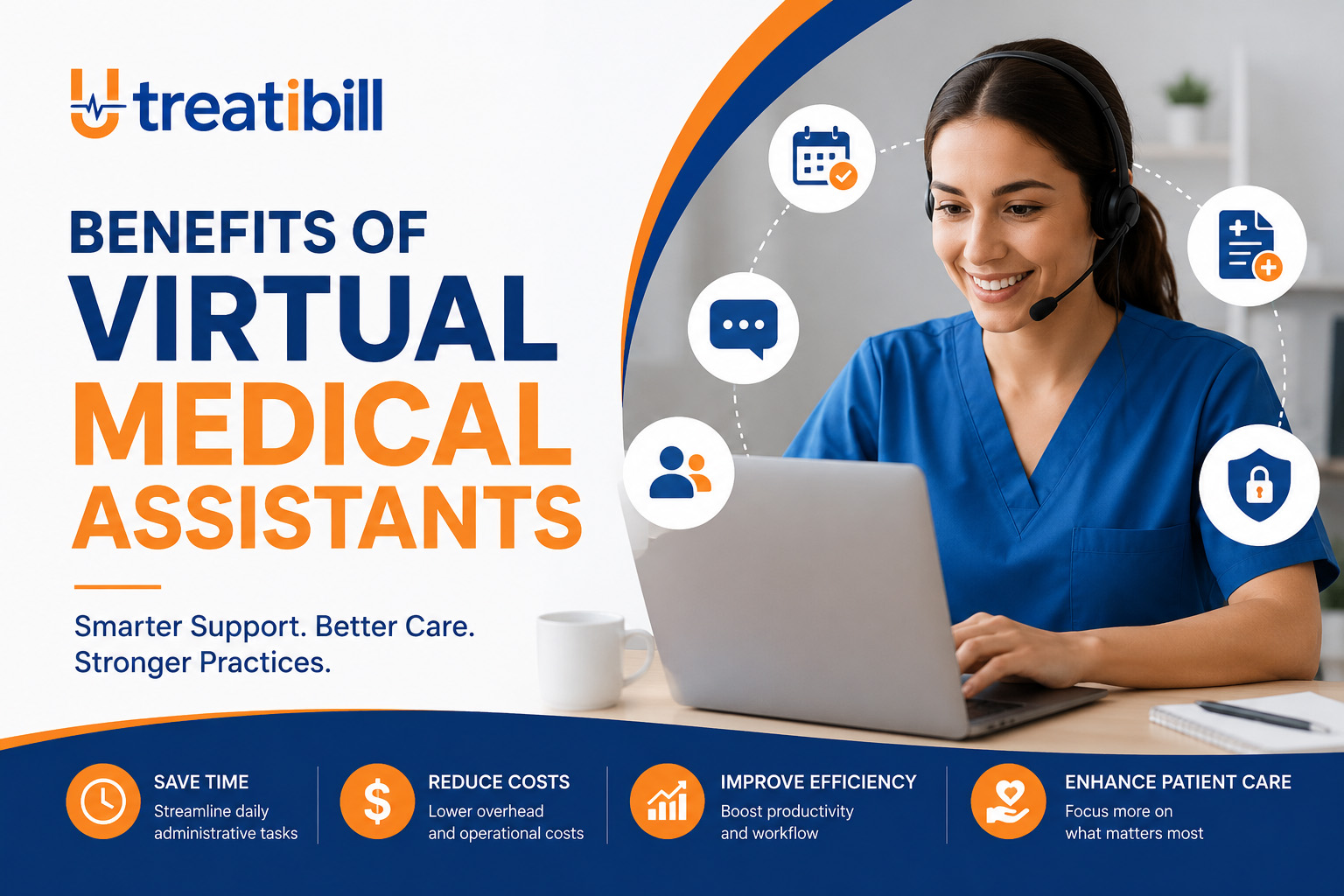
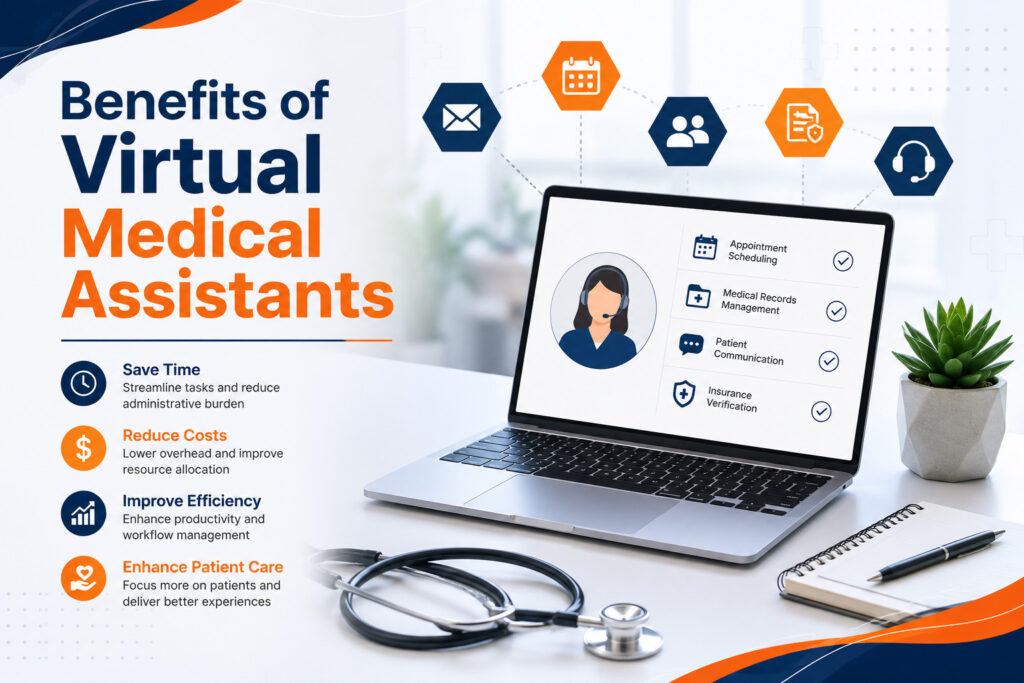
The major Benefits of Virtual Medical Assistants include:
- Reduced administrative workload
- Improved patient scheduling
- Better communication workflows
- Lower staffing costs
- Enhanced operational efficiency
- Faster patient follow-ups
- Improved documentation management
- Better front-desk organization
Additionally, healthcare providers can focus more on patient care instead of repetitive administrative tasks.
Many healthcare organizations now rely on outsourced medical assistant services because they provide flexible operational support without the overhead costs associated with hiring additional in-house employees.
How Virtual Medical Assistants Help Healthcare Practices
Reduce Administrative Burden in Healthcare
One of the biggest challenges healthcare organizations face today is administrative overload. Physicians and staff members often spend excessive time managing paperwork, scheduling appointments, insurance coordination, and patient communication.
This is where how virtual medical assistants help healthcare practices becomes extremely important.
A remote medical assistant can manage:
- Appointment scheduling
- Insurance verification
- Patient intake coordination
- Electronic medical records updates
- Referral management
- Front-office communication
- Claims follow-ups
Consequently, healthcare providers can improve productivity while reducing operational stress on internal teams.
Healthcare providers seeking operational optimization can also explore Revenue Cycle Management Services for additional reimbursement and workflow support.
Virtual Medical Assistant Services Improve Patient Communication
Better Patient Engagement and Follow-Ups
Patient communication plays a major role in healthcare satisfaction and operational efficiency.
Missed appointments, delayed responses, and poor communication workflows can negatively affect both patient experience and reimbursement performance.
A professional healthcare virtual assistant helps healthcare organizations improve communication by managing:
- Appointment reminders
- Patient follow-ups
- Insurance updates
- Referral coordination
- Billing inquiries
- Telehealth scheduling
Furthermore, virtual support teams help practices maintain consistent communication without overwhelming front-desk staff.
According to Department of Health & Human Services (HHS), healthcare organizations should prioritize efficient patient communication and secure healthcare workflows to improve operational performance and patient satisfaction.
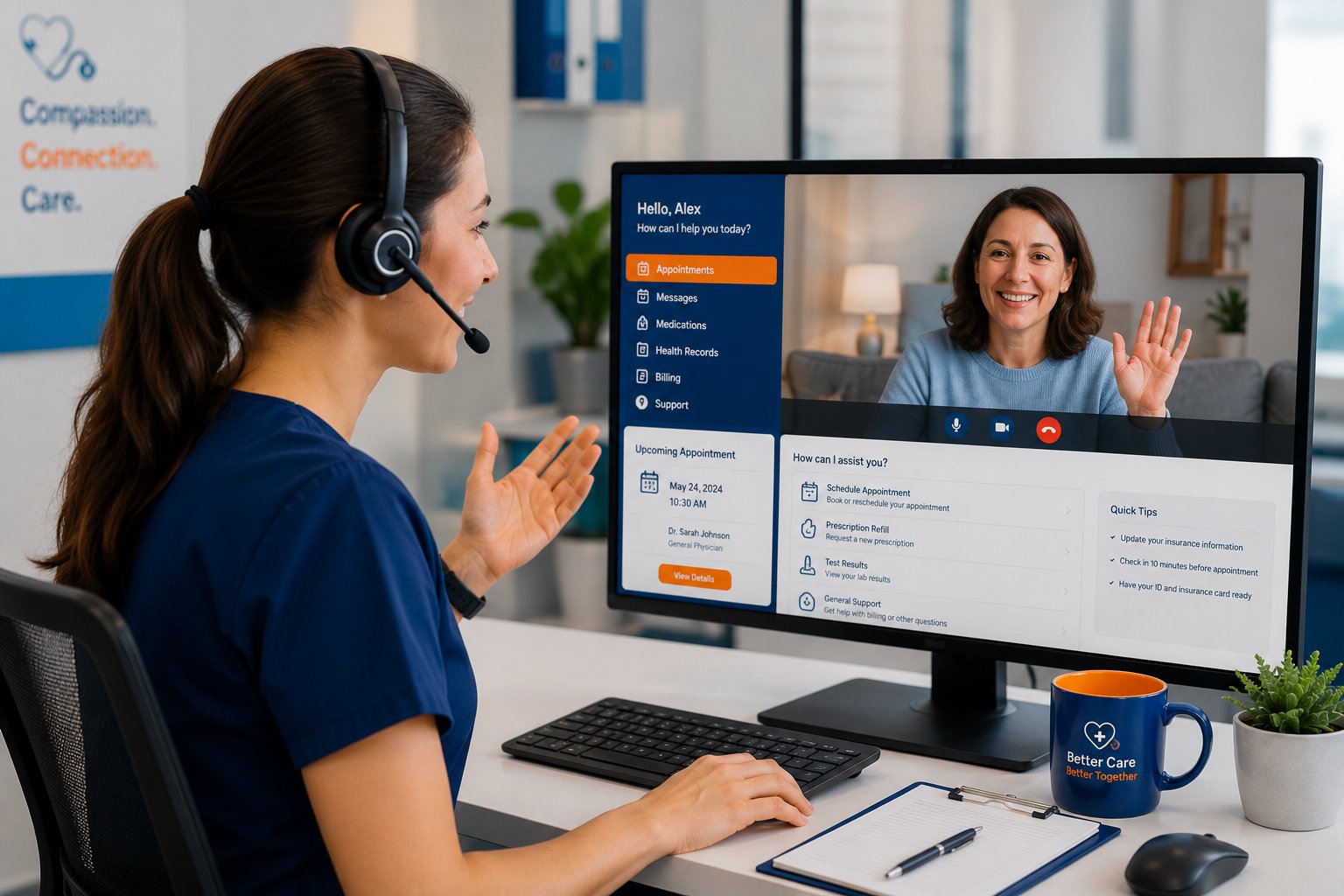
Benefits of Virtual Medical Assistants for Medical Billing Workflows
Improving Revenue Cycle Efficiency
Medical billing and revenue cycle management remain critical operational areas for healthcare organizations.
Billing delays, coding errors, insurance denials, and documentation mistakes can create major financial problems for providers.
One of the major Benefits of Virtual Medical Assistants is improved reimbursement workflow management.
Virtual support professionals help healthcare organizations by:
- Verifying insurance eligibility
- Following up on unpaid claims
- Managing patient billing communication
- Updating patient records
- Coordinating prior authorizations
- Supporting billing departments
Additionally, combining virtual medical assistant services with professional billing support can significantly improve operational efficiency.
Healthcare organizations can also review Medical Billing Services by UtreatiBill for reimbursement optimization solutions.
Healthcare Virtual Assistant Support for Telehealth Services
Supporting Modern Virtual Healthcare Workflows
Telehealth adoption continues growing rapidly across the healthcare industry.
However, telehealth services create additional operational responsibilities including virtual scheduling, patient coordination, technical support, documentation management, and insurance verification.
A virtual assistant for healthcare providers can help practices manage telehealth operations more effectively.
Tasks Handled by Telehealth Virtual Assistants
- Virtual appointment scheduling
- Patient intake coordination
- Telehealth reminders
- Insurance eligibility checks
- Documentation support
- Follow-up communication
Meanwhile, healthcare organizations using remote support systems often improve patient satisfaction and reduce scheduling errors.
According to HealthIT.gov, digital healthcare technologies continue improving operational efficiency across telehealth and remote care services.
Outsourced Medical Assistant Services Reduce Operational Costs
Lower Overhead Expenses for Healthcare Practices
Hiring and training in-house staff can become expensive for healthcare organizations.
Salary expenses, office space, equipment, employee benefits, and onboarding costs all contribute to rising operational budgets.
This is one reason why many providers choose outsourced medical assistant services instead of hiring additional in-house administrative employees.
Cost Benefits of Virtual Staffing
- Reduced payroll costs
- No additional office space requirements
- Lower equipment expenses
- Flexible staffing support
- Reduced training costs
- Improved workflow scalability
Additionally, outsourcing administrative support allows healthcare providers to scale operations more efficiently without increasing overhead costs significantly.
Improve Healthcare Workflow With Virtual Assistants
Streamlining Daily Operations
One of the most valuable long-tail benefits is the ability to improve healthcare workflow with virtual assistants.
Healthcare organizations often struggle with fragmented communication, delayed documentation, scheduling inefficiencies, and administrative bottlenecks.
A remote medical assistant helps streamline workflows by improving coordination between providers, billing teams, front-office staff, and patients.
Workflow Improvements Include
- Faster patient scheduling
- Better documentation management
- Improved claims coordination
- Reduced administrative delays
- Enhanced communication
- Better task organization
Consequently, healthcare organizations can improve operational performance while reducing stress on internal employees.
Virtual Front Desk Medical Practice Support
Why Virtual Front Desk Services Matter
Front-desk operations directly affect patient experience and workflow efficiency.
However, many healthcare practices struggle with overwhelmed reception teams and staffing shortages.
A virtual front desk medical practice solution helps healthcare organizations manage patient communication and administrative workflows remotely.
Virtual Front Desk Responsibilities
- Answering patient calls
- Scheduling appointments
- Confirming visits
- Managing intake forms
- Handling patient inquiries
- Insurance coordination
Additionally, virtual front-desk support allows practices to maintain professional communication standards without increasing in-office staffing requirements.
Healthcare providers can also explore Medical Billing Services New Jersey for operational and reimbursement support solutions.
Benefits of Virtual Medical Assistants for Small Practices
Why Independent Clinics Use Virtual Support
Smaller healthcare organizations often operate with limited staff and tighter operational budgets.
Managing scheduling, patient communication, insurance verification, and billing tasks internally can quickly overwhelm small administrative teams.
This is why the Benefits of Virtual Medical Assistants are especially important for independent healthcare providers.
Advantages for Small Practices
- Lower staffing costs
- Flexible administrative support
- Improved workflow management
- Reduced administrative burnout
- Better patient coordination
- Increased operational efficiency
Furthermore, smaller healthcare organizations can scale support services more easily through remote staffing solutions.
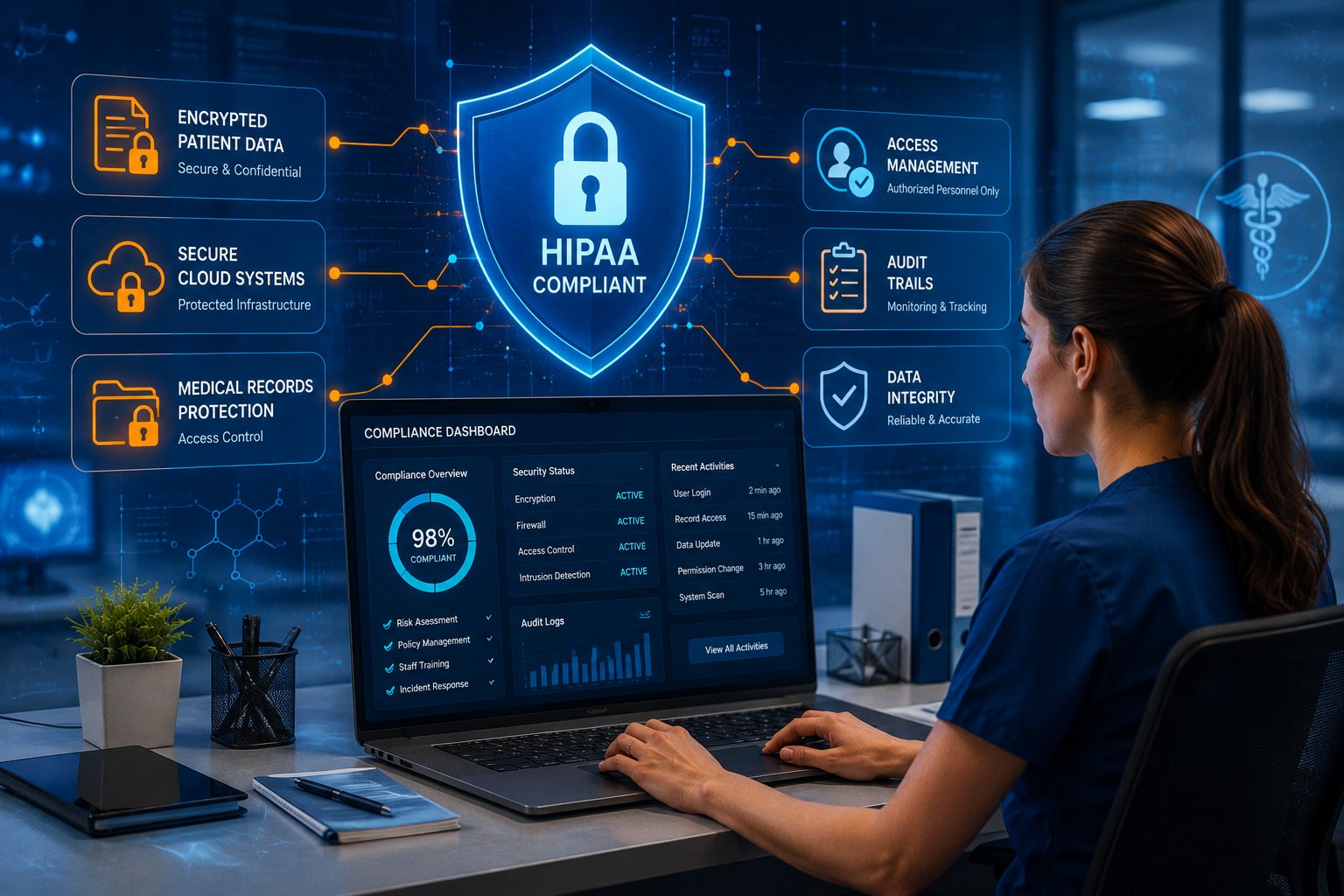
Healthcare Compliance and Virtual Medical Assistants
Maintaining HIPAA-Compliant Workflows
Healthcare organizations must follow strict compliance standards when managing patient data and communication.
Professional virtual medical assistant services should always operate using HIPAA-compliant workflows and secure communication systems.
Compliance Responsibilities
- Secure patient communication
- Protected health information management
- Secure documentation handling
- HIPAA-compliant software usage
- Confidentiality protection
According to Centers for Medicare & Medicaid Services (CMS), healthcare organizations should maintain strong operational compliance and patient privacy protections when using remote healthcare support systems.
How Virtual Medical Assistants Improve Productivity
Supporting Healthcare Staff Efficiency
Administrative overload is one of the leading causes of staff burnout within healthcare organizations.
A professional healthcare virtual assistant helps providers improve productivity by handling repetitive administrative responsibilities remotely.
Productivity Benefits
- Reduced physician administrative workload
- Faster scheduling coordination
- Better claims follow-up management
- Improved patient communication
- Reduced operational delays
- Better front-office efficiency
Additionally, healthcare providers can focus more on patient care instead of administrative paperwork and scheduling issues.
Why Healthcare Providers Choose Virtual Medical Assistant Services
Growing Demand for Remote Healthcare Support
Healthcare organizations continue adopting remote administrative solutions because they provide flexibility, efficiency, and operational scalability.
The increasing demand for virtual medical assistant services reflects the healthcare industry’s shift toward digital operations and workflow optimization.
Key Reasons Providers Outsource Administrative Support
- Staffing shortages
- Rising operational costs
- Telehealth expansion
- Increased patient volume
- Administrative burnout
- Need for workflow automation
Consequently, healthcare providers that invest in remote operational support often improve long-term efficiency and patient satisfaction.
Future of Virtual Medical Assistants in Healthcare
The Growing Role of Remote Healthcare Support
The future of healthcare administration will likely involve even greater use of automation, remote staffing, and digital workflow management.
As healthcare organizations continue modernizing operational systems, virtual assistant for healthcare providers solutions will become increasingly important.
Future Trends Include
- AI-assisted virtual healthcare support
- Automated scheduling systems
- Enhanced telehealth coordination
- Improved patient engagement platforms
- Integrated healthcare workflow systems
- Advanced remote administrative management
According to American Health Information Management Association (AHIMA), healthcare operations will continue evolving toward technology-assisted workflow optimization and remote support services.
Additional Healthcare Workflow Resources
Explore More Operational Support Solutions
Healthcare providers seeking operational optimization and workflow improvement can also explore additional resources from UtreatiBill.
These resources provide additional information about healthcare reimbursement optimization, workflow efficiency, operational support, and administrative management strategies.
How Virtual Medical Assistants Help Healthcare Practices Grow Faster
Supporting Practice Scalability and Expansion
As healthcare organizations continue growing, administrative workloads also increase rapidly. Expanding patient volumes, insurance verification requirements, appointment scheduling, and billing coordination can overwhelm internal staff if operational systems are not optimized properly.
This is one reason why many healthcare organizations now rely on virtual medical assistant services to support long-term scalability.
A professional healthcare virtual assistant helps providers manage operational growth more efficiently without requiring major increases in in-house staffing costs.
Ways Virtual Medical Assistants Support Growth
- Managing larger appointment volumes
- Handling patient follow-ups
- Supporting telehealth scheduling
- Improving billing coordination
- Assisting with documentation management
- Reducing front-desk congestion
Additionally, healthcare providers can expand operational capacity while maintaining strong patient communication and workflow efficiency.
Healthcare organizations can also explore Revenue Cycle Management Services for reimbursement optimization and operational support.
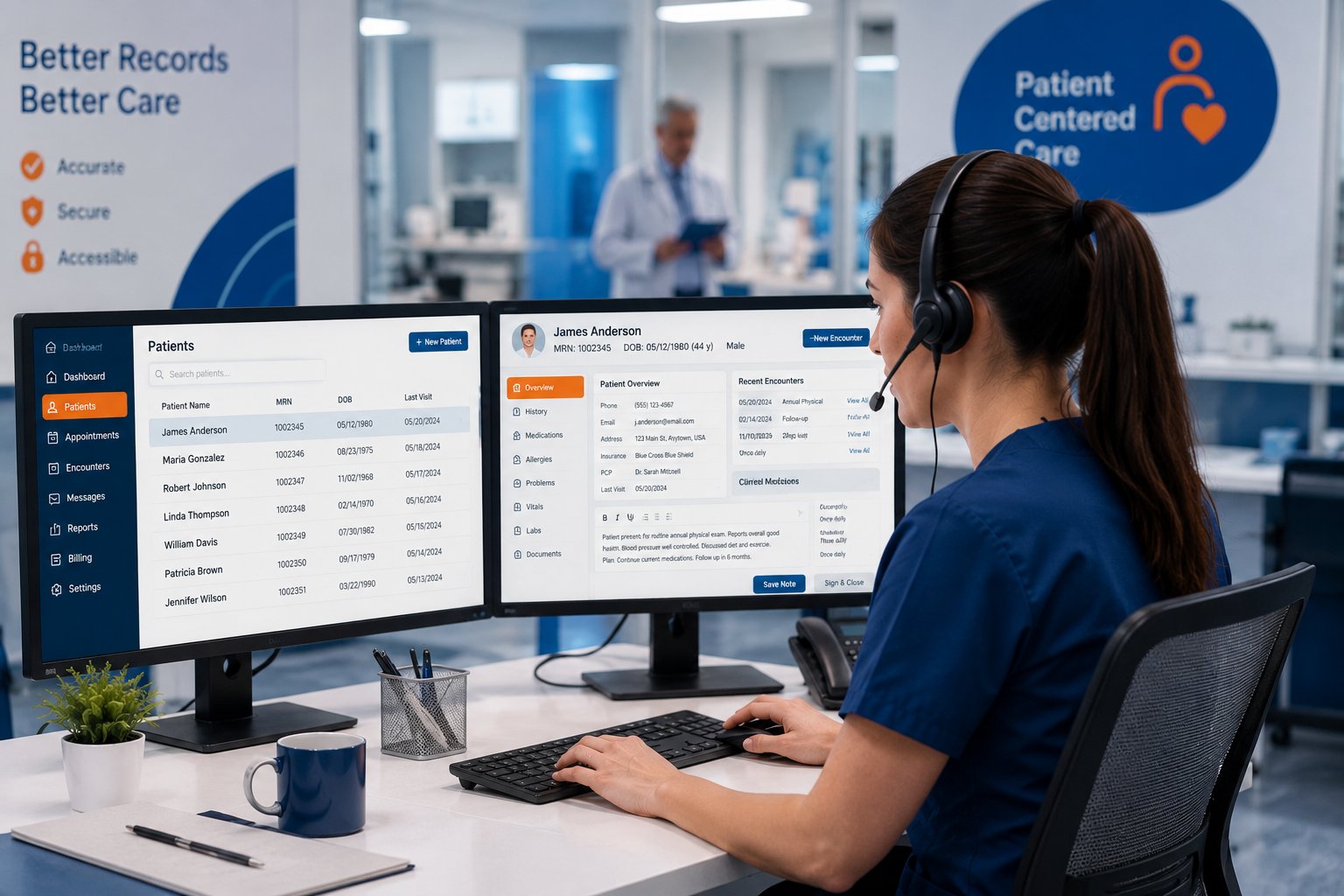
Remote Medical Assistant Services and Physician Productivity
Helping Physicians Focus on Patient Care
Administrative responsibilities often consume a significant portion of a physician’s workday. Tasks such as patient scheduling, insurance coordination, prior authorizations, and documentation management reduce the amount of time providers can spend delivering patient care.
A skilled remote medical assistant helps reduce these operational burdens by handling repetitive administrative tasks remotely.
Administrative Tasks Managed by Remote Assistants
- Patient intake coordination
- Insurance verification
- Referral processing
- Follow-up scheduling
- Medical records updates
- Telehealth coordination
Consequently, healthcare providers can improve productivity while reducing administrative stress and operational burnout.
According to American Medical Association (AMA), reducing administrative overload remains a major priority for improving physician efficiency and healthcare workflow performance.
Benefits of Virtual Medical Assistants for Patient Scheduling
Improving Appointment Management Efficiency
Scheduling inefficiencies can create serious operational problems for healthcare organizations.
Missed appointments, scheduling conflicts, delayed confirmations, and poor communication workflows often reduce productivity and negatively affect patient satisfaction.
One of the most important Benefits of Virtual Medical Assistants is improved scheduling management.
Scheduling Support Includes
- Appointment confirmations
- Calendar coordination
- Rescheduling assistance
- Telehealth scheduling
- Patient reminders
- Waitlist management
Additionally, healthcare providers using virtual assistant for healthcare providers solutions often experience lower no-show rates and improved operational organization.
Meanwhile, patients benefit from faster communication and improved scheduling flexibility.
Outsourced Medical Assistant Services and Healthcare Staffing Challenges
Solving Staffing Shortages in Healthcare
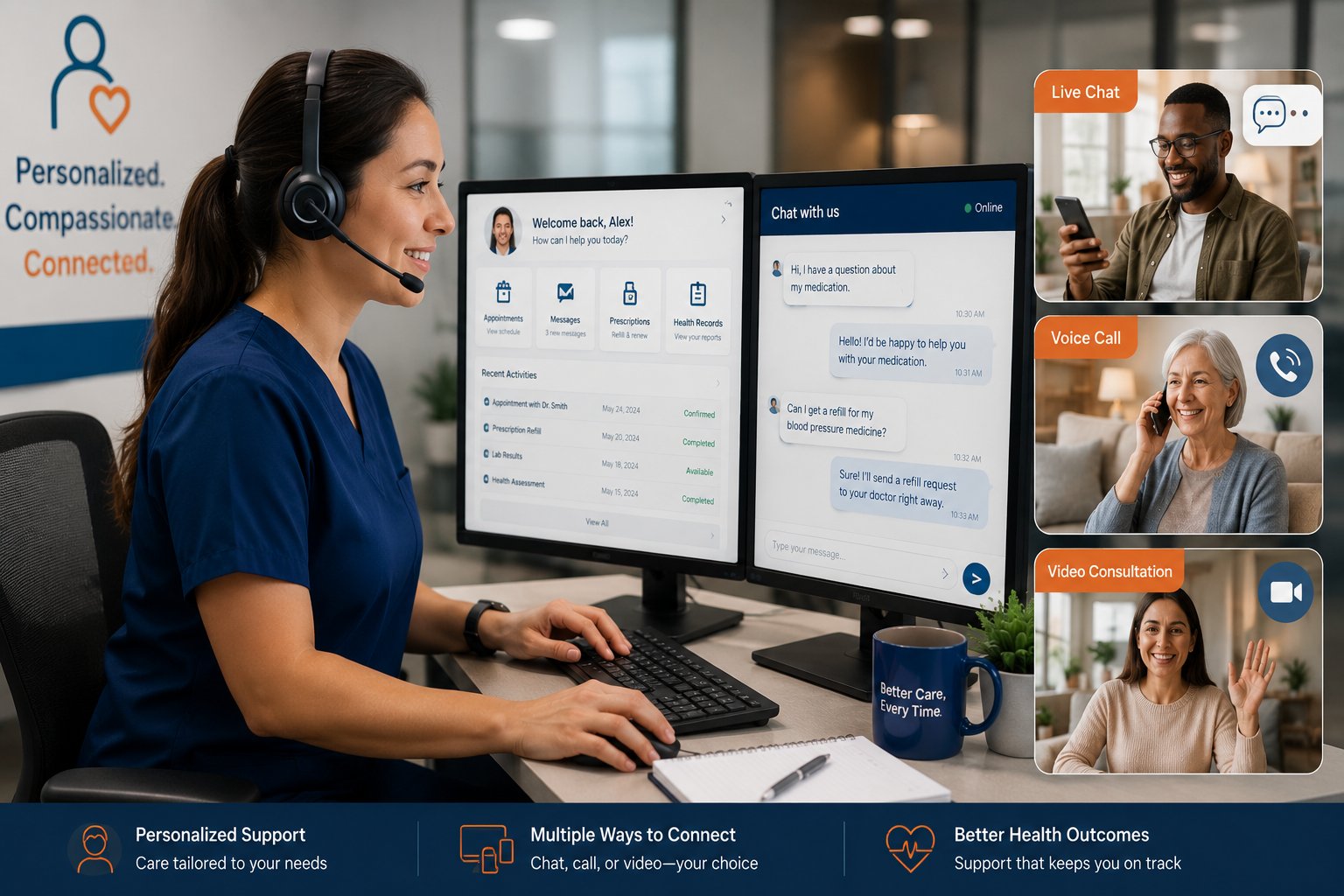
Staffing shortages continue affecting healthcare organizations nationwide. Recruiting and retaining experienced administrative employees has become increasingly difficult due to rising operational demands and workforce burnout.
This is another reason why outsourced medical assistant services continue growing rapidly across the healthcare industry.
Virtual support solutions allow healthcare providers to access experienced administrative professionals without the challenges associated with traditional hiring processes.
Benefits of Outsourcing Administrative Support
- Faster onboarding
- Reduced staffing gaps
- Flexible scheduling support
- Lower operational costs
- Improved workflow continuity
- Reduced administrative pressure
Furthermore, outsourcing administrative tasks allows healthcare organizations to focus internal resources on patient care and clinical operations.
Healthcare organizations can also explore Medical Billing Services by UtreatiBill for additional operational support and reimbursement management solutions.
Final Thoughts on the Benefits of Virtual Medical Assistants
The healthcare industry continues facing increasing operational complexity, staffing shortages, and administrative pressure. This is why the Benefits of Virtual Medical Assistants are becoming more important for healthcare organizations across the United States.
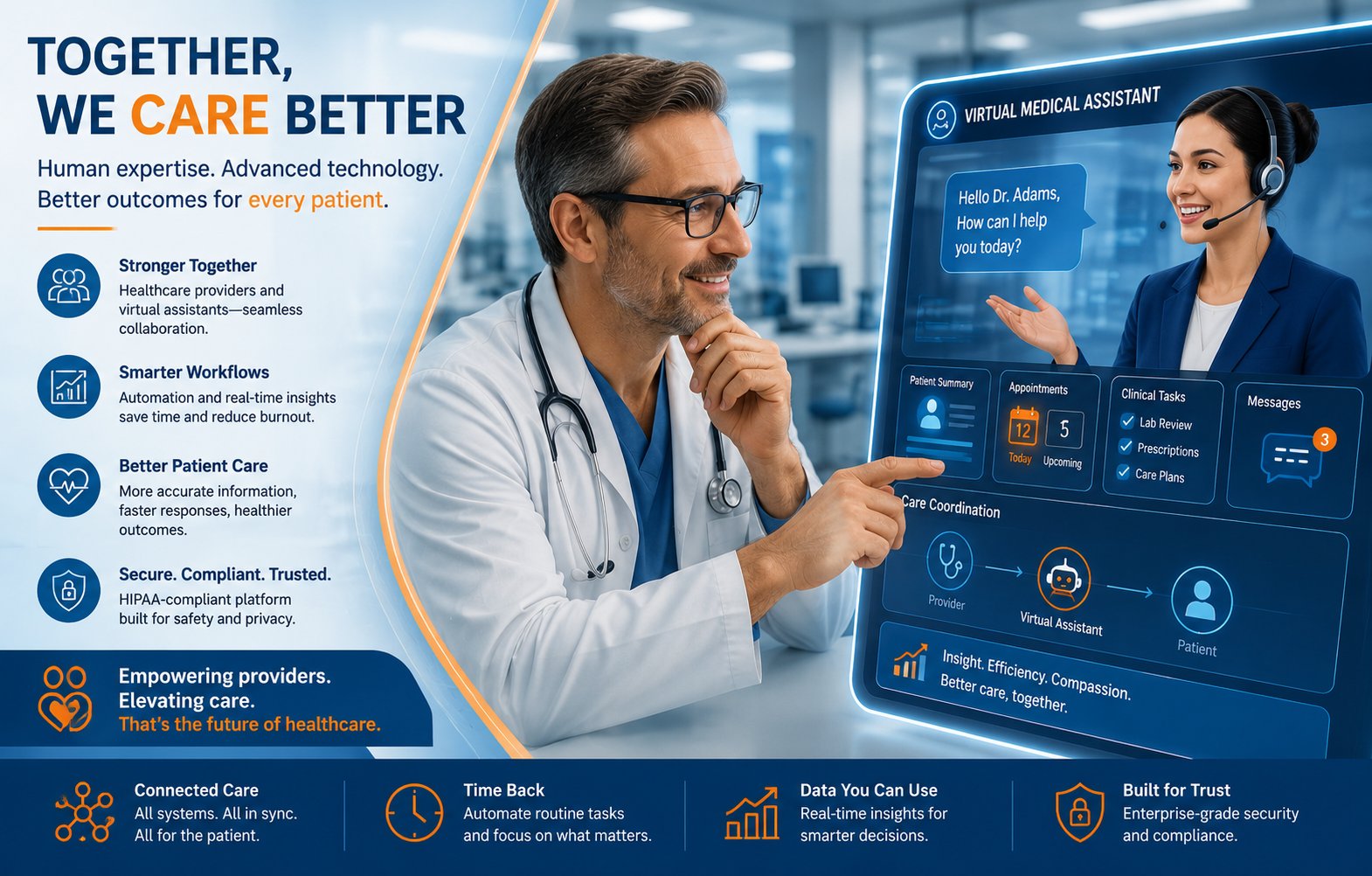
From scheduling support and patient communication to billing coordination and workflow management, virtual healthcare support professionals help practices improve efficiency while reducing operational burdens.
Additionally, virtual medical assistant services allow healthcare providers to scale operations more effectively without significantly increasing overhead expenses.
At UtreatiBill Virtual Medical Assistance Services, healthcare organizations can explore customized remote support solutions designed to improve workflow efficiency, reduce administrative stress, and optimize patient communication.
As healthcare technology and digital operations continue evolving, healthcare providers investing in remote administrative support may gain significant long-term advantages in operational performance, patient satisfaction, and financial growth.