If you work in medical billing and coding in the United States, you have probably seen cpt code 80053 appear regularly in insurance claims and laboratory billing workflows. It is one of the most commonly used pathology and laboratory CPT codes in the healthcare industry.
However, many healthcare providers and billing professionals use this code without fully understanding its billing requirements, reimbursement rules, documentation standards, and compliance risks.
That is why this guide was created.
Whether you are a beginner medical biller, healthcare provider, laboratory administrator, or revenue cycle management professional, this detailed article explains everything you need to know about cpt code 80053 in a simple and practical way.
Healthcare providers looking for professional reimbursement management and coding support can also explore UtreatiBill Medical Billing Services.
What Is CPT Code 80053?
Understanding CPT Code 80053 in Medical Billing
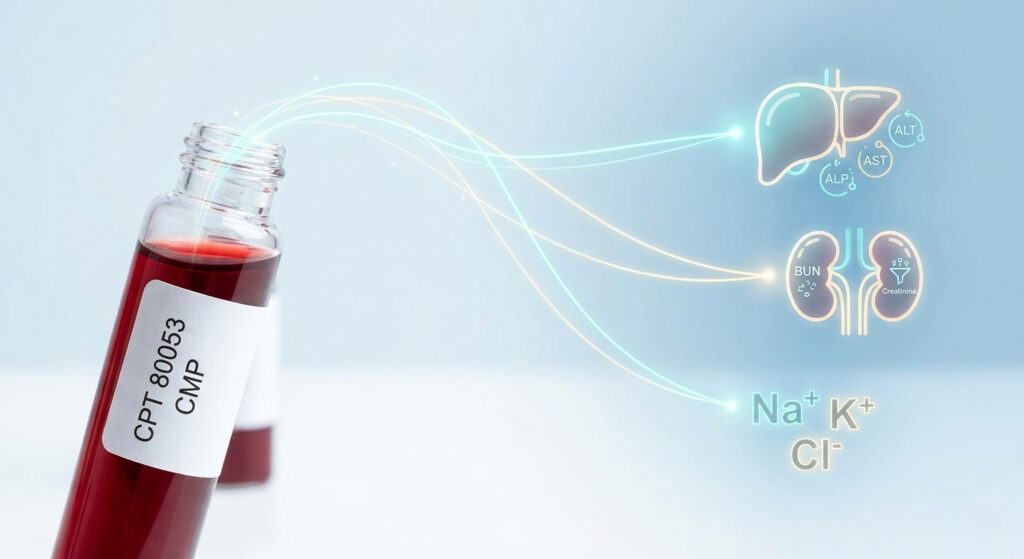
The term cpt code 80053 refers to a Comprehensive Metabolic Panel (CMP), which is a laboratory blood test panel used to evaluate a patient’s overall health condition.
Instead of ordering multiple laboratory tests individually, healthcare providers use this panel to assess:
- Kidney function
- Liver function
- Blood sugar levels
- Electrolyte balance
- Protein levels
- Metabolic health
In simple terms, the CMP provides a detailed internal snapshot of a patient’s health through blood analysis.
According to American Medical Association (AMA) CPT Resources, accurate CPT coding is essential for proper healthcare reimbursement and claims compliance.
Why CPT Code 80053 Matters in Medical Billing
Revenue Impact of CPT Code 80053
The reason cpt code 80053 is important in healthcare billing is because it is one of the highest-volume laboratory panel codes in the United States.
Healthcare organizations use CMP testing for:
- Annual wellness exams
- Chronic disease monitoring
- Hospital admissions
- Diabetes management
- Medication monitoring
- Kidney disease evaluation
Additionally, proper billing procedures help healthcare organizations:
- Reduce claim denials
- Improve reimbursement accuracy
- Maintain payer compliance
- Increase operational efficiency
- Prevent billing audits
Small billing errors associated with cpt code 80053 can lead to denied claims, delayed payments, and compliance risks.
Healthcare providers seeking reimbursement optimization can also explore Revenue Cycle Management Services for additional billing support.
What Does CPT Code 80053 Include?
CPT Code 80053 Components Explained
One of the most searched questions online is:
“What does cpt code 80053 include?”
The Comprehensive Metabolic Panel contains 14 laboratory tests.
All 14 components must be completed before billing cpt code 80053.
CMP Components:
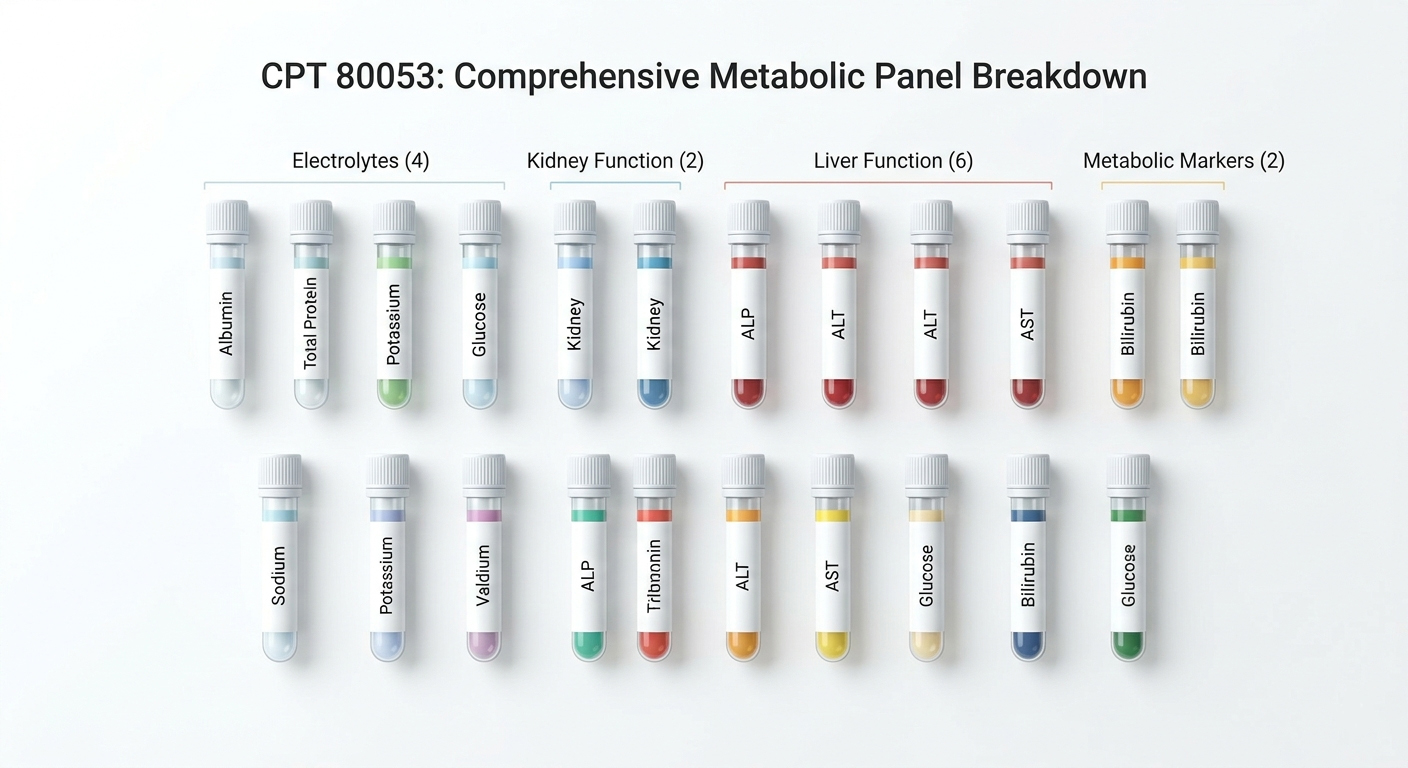
Electrolyte Tests
- Sodium
- Potassium
- Chloride
- Carbon dioxide
Kidney Function Tests
- Blood Urea Nitrogen (BUN)
- Creatinine
Liver Function Tests
- Albumin
- Total Protein
- Alkaline Phosphatase
- ALT (Alanine Aminotransferase)
- AST (Aspartate Aminotransferase)
- Bilirubin
Additional Tests
- Glucose
- Calcium
However, if even one required test is missing, healthcare providers cannot bill the full panel code and must instead submit individual laboratory CPT codes.
According to Centers for Medicare & Medicaid Services (CMS), proper laboratory panel coding is essential for reimbursement compliance.
CPT Code 80053 vs CPT Code 80048
Difference Between CMP and BMP
Many healthcare billers compare cpt code 80053 with CPT 80048.
The difference is simple:
- CPT 80048 = Basic Metabolic Panel (BMP)
- CPT 80053 = Comprehensive Metabolic Panel (CMP)
The CMP includes all BMP tests plus additional liver and protein tests.
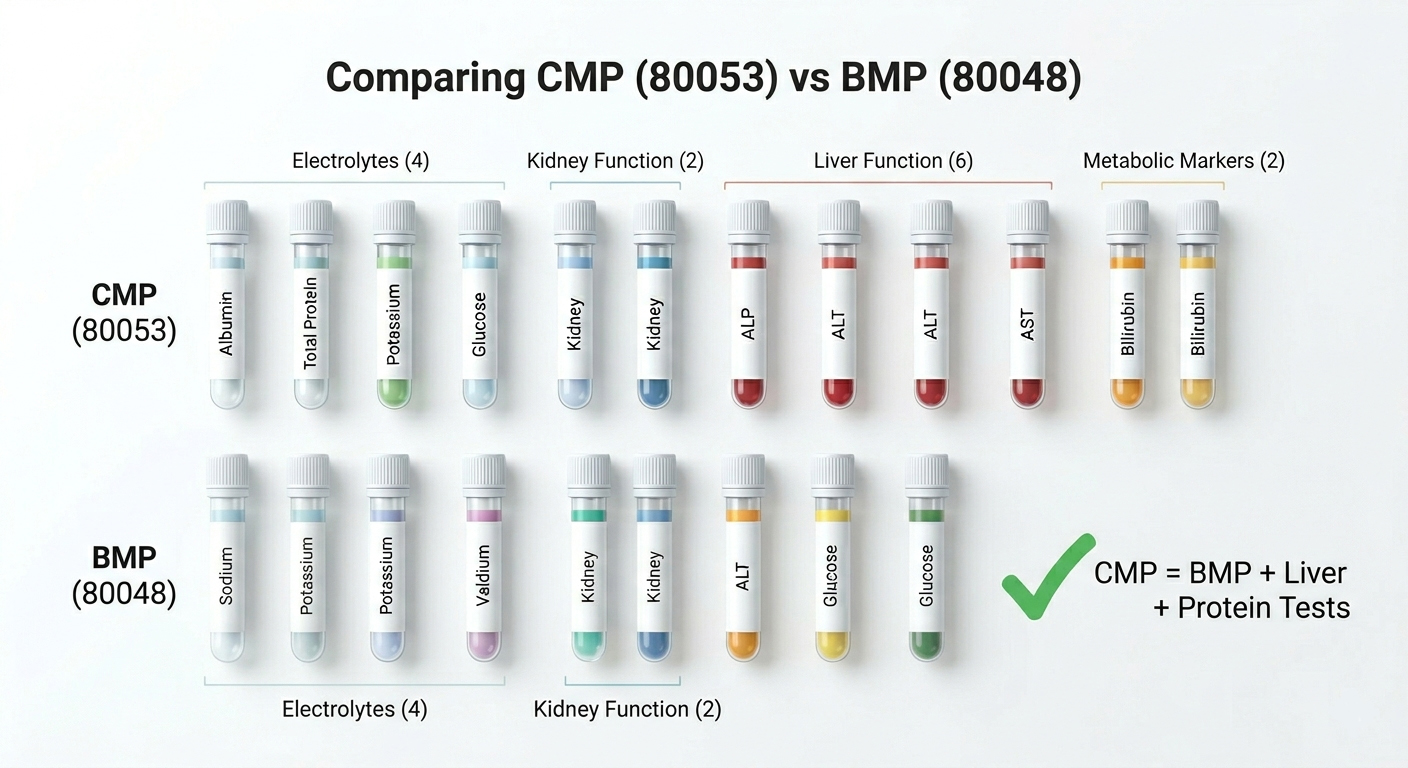
| Feature | CPT 80053 (CMP) | CPT 80048 (BMP) |
| Total Tests | 14 | 8 |
| Liver Tests | ✅ Included | ❌ Not included |
| Protein Tests | ✅ Included | ❌ Not included |
| Usage | Comprehensive | Basic |
Therefore, CMP testing provides a broader evaluation of overall health.
When to Use CPT Code 80053
Medical Necessity for CPT Code 80053
Healthcare providers should use cpt code 80053 when a complete metabolic evaluation is medically necessary.
Common Clinical Use Cases
- Annual physical exams
- Diabetes management
- Hypertension monitoring
- Liver disease evaluation
- Kidney disease tracking
- Medication monitoring
- Emergency room assessments
Furthermore, insurance companies usually require medical necessity documentation before approving reimbursement claims.
Healthcare providers can review payer guidelines through CMS Medicare Resources.
CPT Code 80053 Billing Guidelines
How to Bill CPT Code 80053 Correctly
Accurate billing procedures are essential for avoiding denials and reimbursement delays.
Perform All 14 Required Tests
All CMP components must be completed before billing cpt code 80053.
Avoid Unbundling
Healthcare providers should never bill individual component tests separately when submitting the full CMP panel.
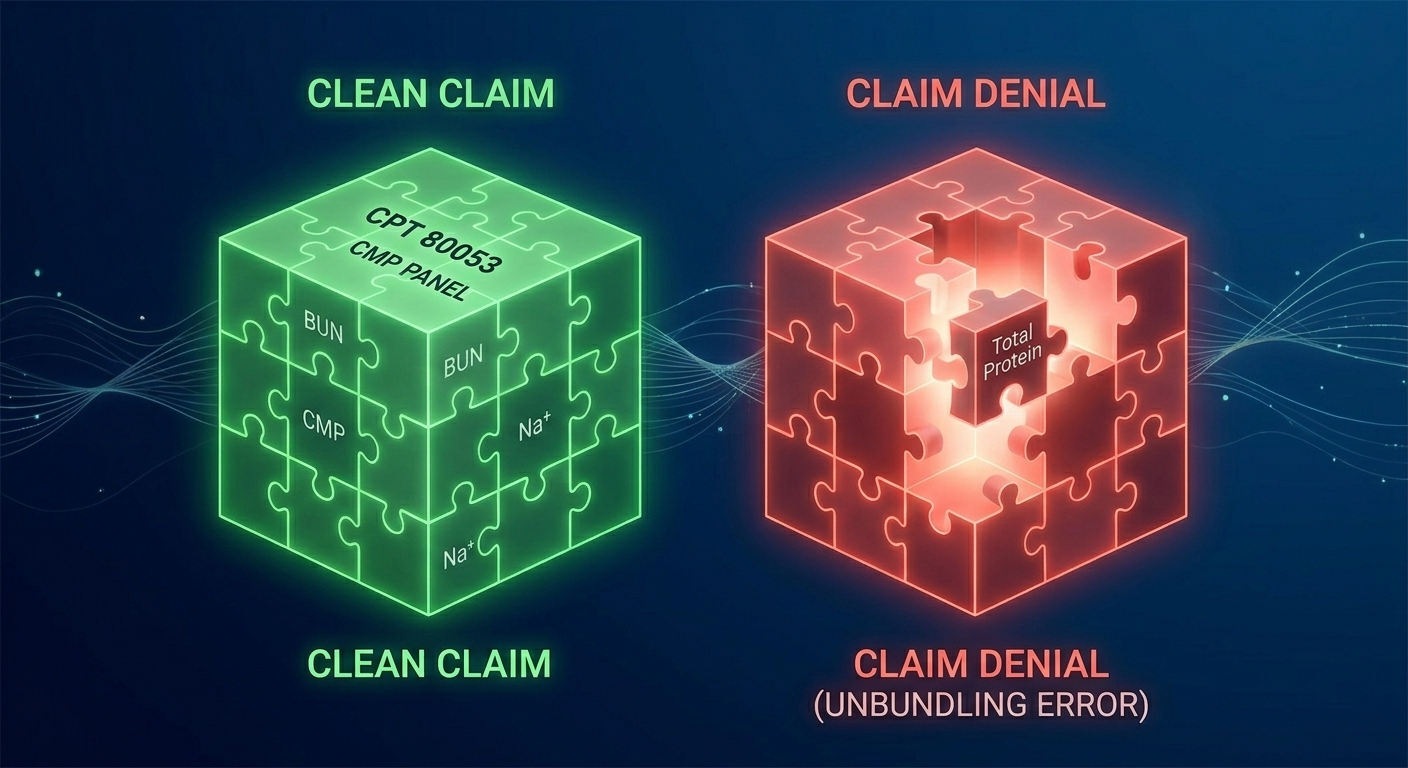
Verify Payer Policies
Different insurance companies may apply:
- Frequency limitations
- Medical necessity rules
- Prior authorization requirements
Link Correct ICD-10 Codes
Diagnosis coding must support medical necessity for claim approval.
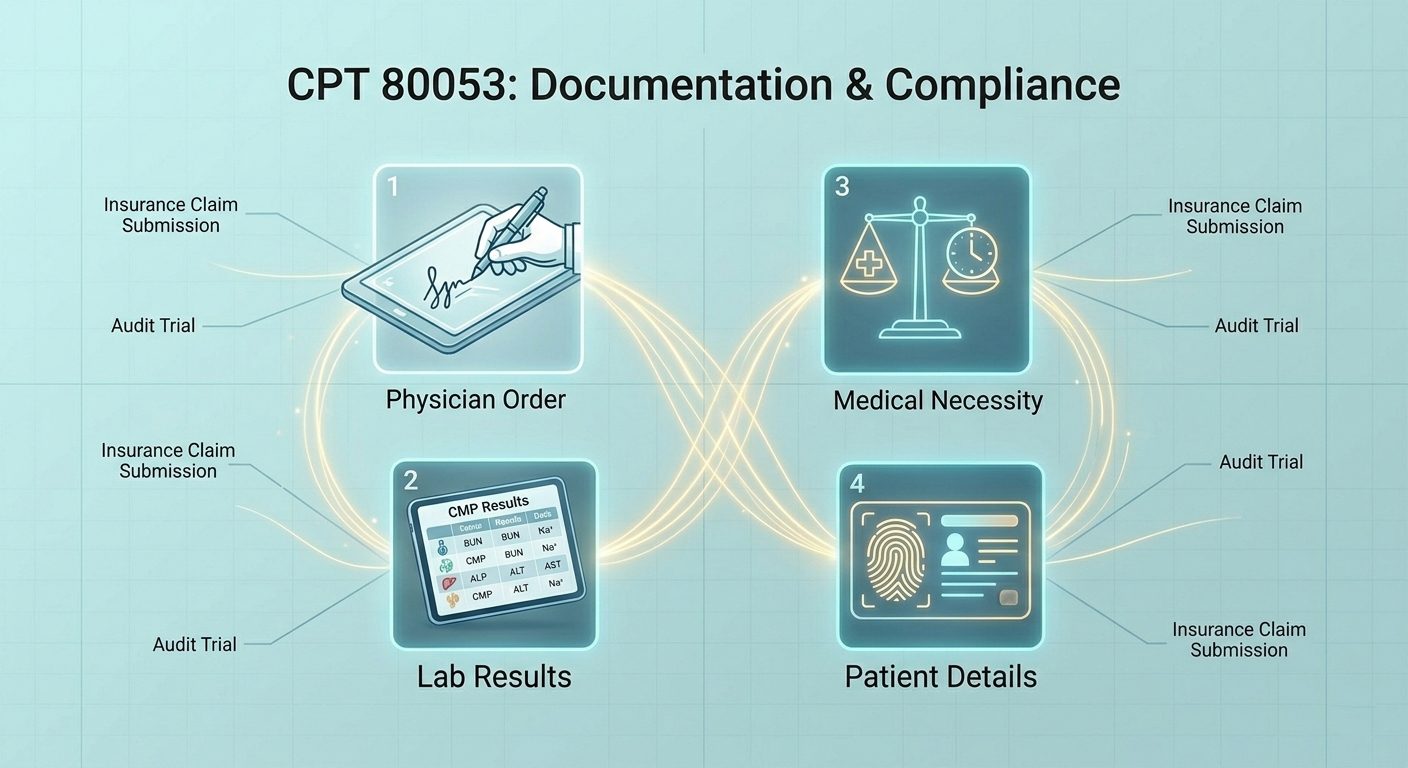
Maintain Complete Documentation
Claims should include:
- Physician orders
- Laboratory results
- Patient demographics
- Clinical notes
- Medical necessity justification
According to AAPC Medical Coding Resources, proper coding and documentation significantly reduce audit risks.
CPT Code 80053 Documentation Requirements:
Required Documentation for CPT Code 80053
Documentation plays a critical role in successful reimbursement.
Without proper records, insurance companies may deny claims associated with cpt code 80053.
Required Documentation Includes
- Physician order
- Laboratory test results
- Clinical indications
- Diagnosis codes
- Patient demographics
- Date of service
- Medical necessity documentation
Additionally, healthcare organizations should maintain organized laboratory records for compliance audits and payer reviews.
CPT Code 80053 Diagnosis Codes List
Common ICD-10 Codes Used With CPT Code 80053
Diagnosis codes help support medical necessity requirements.
Frequently Used ICD-10 Codes
- R73.9 – Abnormal glucose
- E11.9 – Type 2 diabetes mellitus
- I10 – Essential hypertension
- N18.9 – Chronic kidney disease
- Z00.00 – General adult medical examination
- E78.5 – Hyperlipidemia
- R53.83 – Fatigue
However, providers should always verify payer-specific diagnosis policies before claims submission.
CPT Code 80053 Reimbursement in the USA
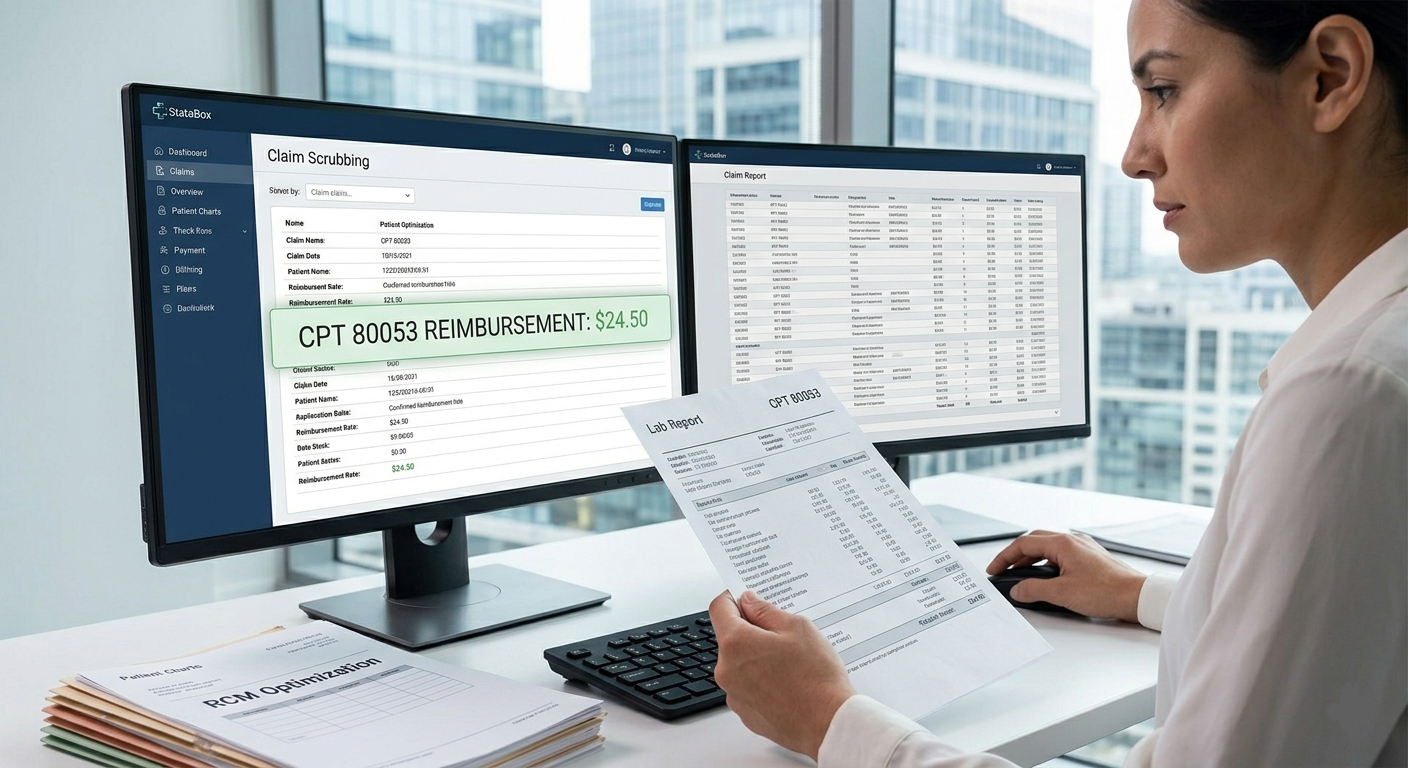
CPT Code 80053 Reimbursement Rates
Another common search query is:
“What is the reimbursement rate for cpt code 80053?”
Average Reimbursement Estimates
- Medicare reimbursement: Approximately $14–$25
- Commercial insurance reimbursement: Often higher
- Medicaid reimbursement: Varies by state
Reimbursement amounts depend on:
- Geographic region
- Insurance contracts
- Facility type
- Payer policies
Healthcare organizations should regularly review payer fee schedules to optimize collections.
Is CPT Code 80053 Covered by Insurance?
Insurance Coverage for CPT Code 80053
Most insurance providers cover cpt code 80053 when medical necessity is properly documented.
Coverage approval depends on:
- Diagnosis code accuracy
- Medical necessity
- Payer-specific policies
- Frequency limitations
- Physician documentation
Consequently, incomplete documentation often results in reimbursement denials.
Healthcare providers can also review healthcare compliance updates through Department of Health & Human Services (HHS).
Can CPT Code 80053 Be Billed With Other Codes?
CPT Code 80053 Billing Combinations
Healthcare billers often ask whether cpt code 80053 can be billed alongside other laboratory codes.
Allowed Situations
- Unrelated laboratory tests
- Additional medically necessary procedures
- Independent diagnostic services
Not Allowed
- Billing CMP component tests separately
- Duplicate laboratory submissions
- Unbundling panel services
Furthermore, healthcare organizations should regularly audit laboratory claims to ensure billing compliance.
Common Mistakes in CPT Code 80053 Billing
CPT Code 80053 Billing Errors to Avoid
Billing mistakes associated with cpt code 80053 can create serious reimbursement and compliance problems.
Missing Required Tests
Incomplete panels cannot be billed as CMP services.
Incorrect ICD-10 Codes
Wrong diagnosis codes may fail medical necessity requirements.
Duplicate Billing
Duplicate claims increase audit risks and reimbursement delays.
Unbundling Services
Separately billing panel components violates compliance guidelines.
Incomplete Documentation
Missing records often result in denied claims.
Therefore, healthcare organizations should use claim scrubbing tools and coding audits to improve accuracy.
Role of CPT Code 80053 in Revenue Cycle Management
Why CPT Code 80053 Matters in RCM
In revenue cycle management, cpt code 80053 plays an important role because of its high claim volume.
Even small billing errors can create significant revenue loss over time.
Best Practices for Revenue Cycle Optimization
- Use automated claim scrubbing
- Verify insurance eligibility
- Audit laboratory documentation
- Monitor denial trends
- Improve coding accuracy
- Automate reimbursement tracking
Healthcare providers seeking advanced reimbursement management solutions can also explore Medical Billing Company USA.
Technology and Laboratory Billing Automation
How Automation Improves CPT Code 80053 Billing
Modern healthcare organizations increasingly rely on automation and analytics to improve reimbursement workflows.
Technology helps providers:
- Reduce coding mistakes
- Improve claims accuracy
- Accelerate reimbursements
- Identify denial patterns
- Enhance operational efficiency
Meanwhile, cloud-based billing systems provide greater flexibility and secure remote access to financial records.
According to HealthIT.gov, digital healthcare systems continue improving operational performance across the healthcare industry.
Benefits of Outsourcing Laboratory Billing Services
Why Healthcare Providers Outsource CPT Billing
Many healthcare providers outsource laboratory reimbursement management to improve collections and reduce administrative burdens.
Benefits of Outsourcing
- Faster claim processing
- Reduced denials
- Improved coding accuracy
- Better compliance monitoring
- Lower operational costs
- Improved patient billing workflows
Additionally, outsourcing allows healthcare organizations to focus more on patient care instead of administrative operations.
Healthcare organizations can also explore Outsource Medical Billing Services for specialized billing support.
Future Trends in Laboratory Billing
The Future of CPT Code 80053 Billing
Healthcare reimbursement systems continue evolving rapidly.
Artificial Intelligence in Medical Coding
AI-powered systems help reduce coding errors and automate repetitive tasks.
Predictive Analytics
Analytics tools help providers identify reimbursement risks before claims submission.
Automated Claims Processing
Automation improves reimbursement speed and reduces administrative workloads.
Enhanced Compliance Monitoring
Modern software systems help healthcare providers maintain compliance with payer regulations.
Consequently, healthcare organizations investing in technology-driven reimbursement systems are more likely to improve long-term profitability.